
Far North Queensland Is Beautiful Because Nature Is Still in Charge
Far North Queensland does not feel manicured. That is the whole magic of it.
The mountains are close enough to change the weather. The rainforest leans over the road. Creeks can be glass-clear in the morning and roaring brown after a storm. Enormous birds walk out of the trees as if they own the place, because honestly, they do.
Living in Cairns taught us that you can have a much better time here when you stop expecting the tropics to behave like a resort. You do not need to be scared of everything. You just need to pay attention, believe the signs and understand that nature gets the final vote.
This is the advice we give friends before they come to visit.
Crocodile Country Means Exactly That
If a sign says crocodiles may be present, believe it. Do not stand there trying to decide whether the water looks crocodile-y enough.
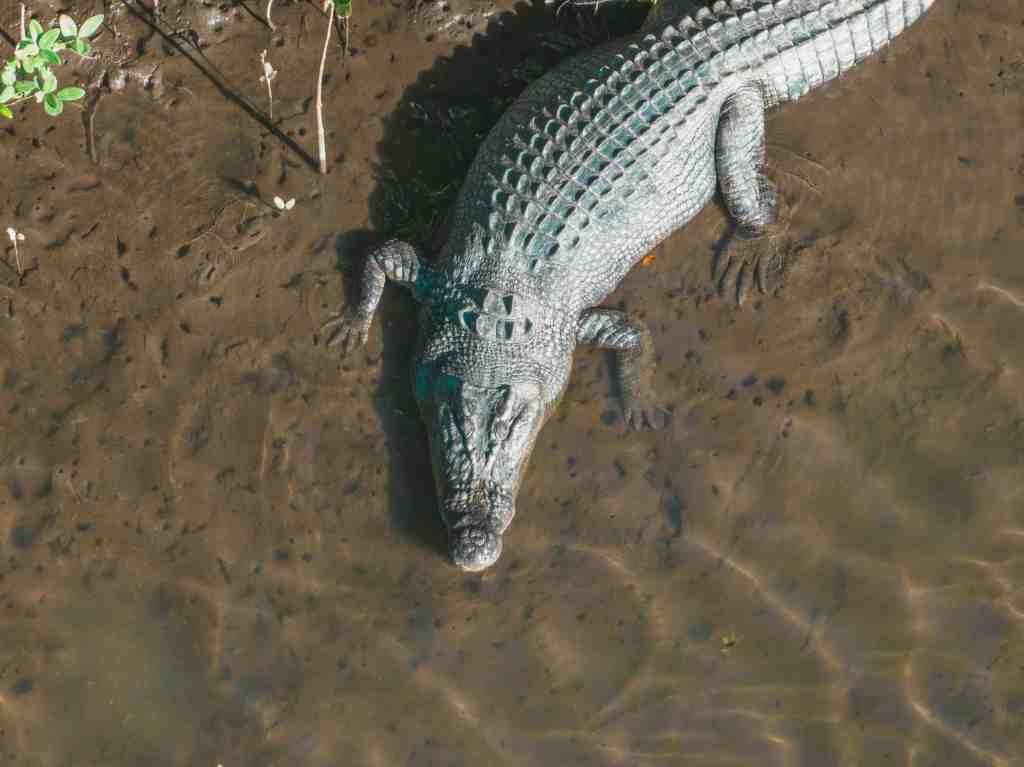
Far North Queensland is crocodile country. Estuarine crocodiles can be in rivers, creeks, estuaries and the sea, and the fact that you cannot see one means absolutely nothing. They are exceptionally good at not being seen.
This does not mean you spend your holiday terrified of every puddle. It means you swim where people are meant to swim, stay back from unmarked water edges, keep food and fish scraps away from the water and do not copy the random person who has decided a deserted beach is probably fine.
Locals can do stupid things too. “But that guy is in the water” is not a safety assessment.
The Stinger Net Is Not a Magical Force Field
The beaches north of Cairns are gorgeous, and we absolutely swim at them. We use the patrolled section, stay between the flags and get only inside the stinger-resistant enclosure when it is up.
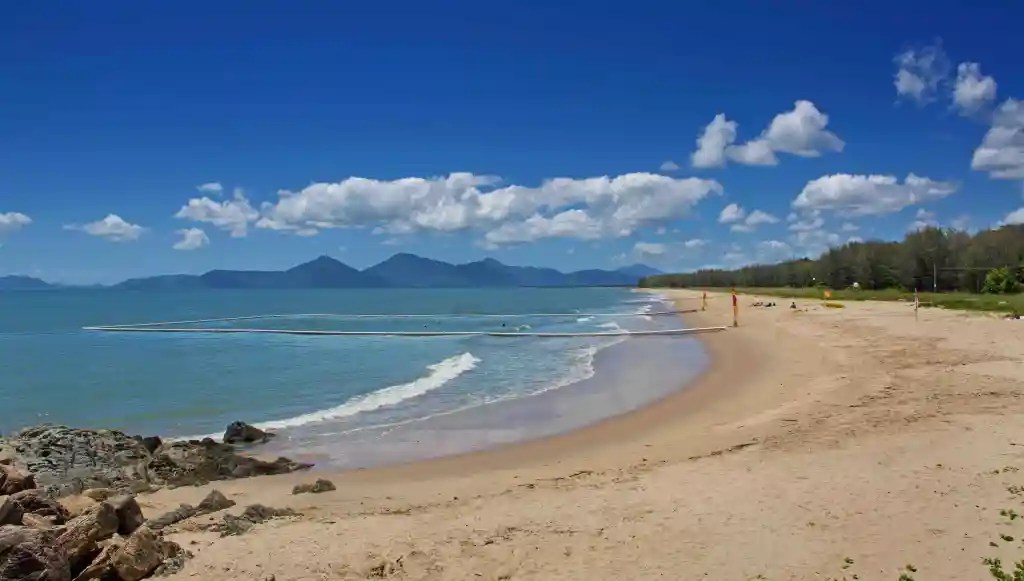
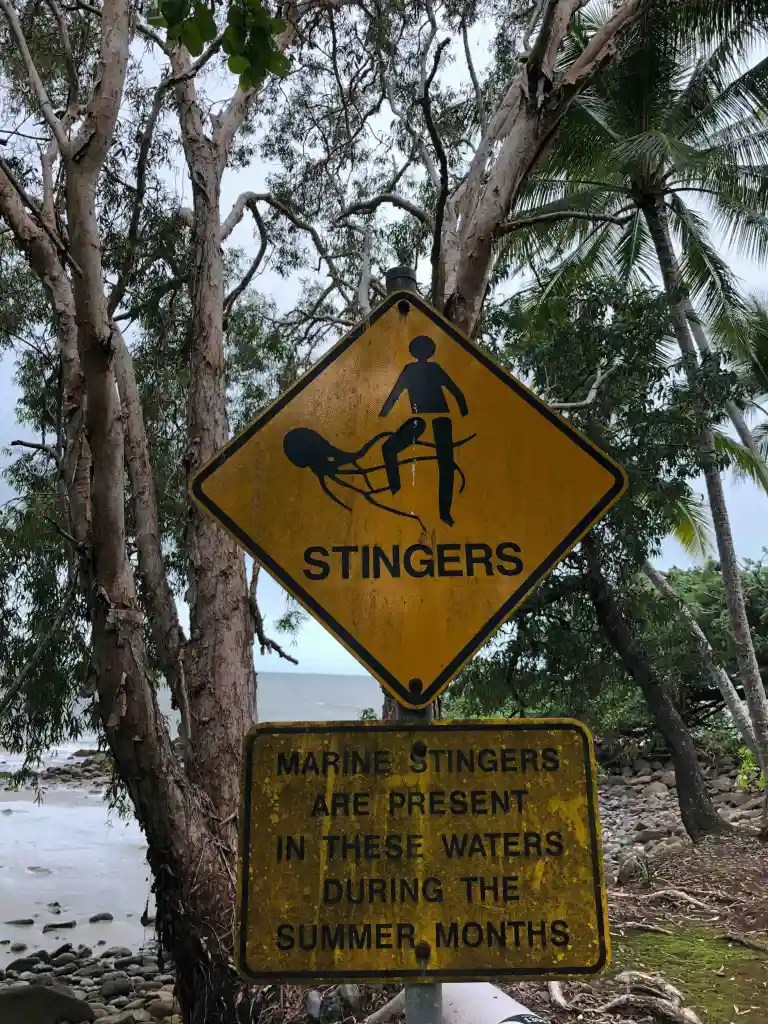
The enclosure greatly reduces the risk from box jellyfish, but it is not a magical force field. Conditions change, beaches close and lifeguards know more about what is happening in the water that morning than anyone commenting online.
A full-body stinger suit is also worth wearing when it is recommended. It helps with jellyfish exposure, but it is brilliant sun protection too. On reef days, I will happily zip myself into the giant black onesie. It lets me stay in the water longer without thinking about my shoulders slowly turning into cooked prawns.
A Tropical Creek Can Change Overnight
Freshwater swimming is one of the best parts of living in the tropics. Babinda Boulders, Josephine Falls, Lake Eacham and all those little creek stops are the places we go when the heat feels glued to our skin.

They are not swimming pools.
Heavy rain can make a calm creek rise quickly and create currents that are far stronger than they look. Wet rocks are unbelievably slippery. If the water is high, brown, rushing or closed, that is not the day to prove anything.
Go early, check the weather, read the signs and use the established swimming areas. There will always be another swimming day.
The Sun and Humidity Will Sneak Up on You
The temperature on the weather app never tells the whole story. Thirty degrees in tropical humidity feels different from thirty degrees somewhere dry, especially when you are hiking, standing on a boat deck or wandering around a market without much shade.
Bring more water than you think you need. Wear a hat. Put sunscreen on before you leave, then do it again. Plan the steep walk for the morning and leave room for an air-conditioned lunch, a swim or a shameless afternoon nap.
This is also why we love doing things early. Rusty’s Market at 7 a.m., a beach walk with coffee, or a rainforest track before the heat builds feels wonderful. By midday, we are often looking for shade and something cold.
Wet Season Is Not Just Rainy Season
Wet season can be spectacular. Everything turns violently green, the waterfalls are full and the storms roll over the mountains like theatre.

It can also change your plans.
Rainfall can close roads, parks, beaches and swimming areas. A road that was easy yesterday may not be sensible today. Check the Bureau of Meteorology, park alerts and Queensland Traffic before a long drive, especially if you are heading into the Daintree, the Tablelands or anywhere with creek crossings.
And the rule for floodwater is wonderfully simple: if it is flooded, forget it. Do not follow another vehicle through. Do not assume your rental car is invincible. Turn around, get food somewhere and make a different story out of the day.
The Roads Are Part of the Adventure
Some of the drives around Cairns are astonishing. The Captain Cook Highway curls between rainforest and the Coral Sea. The Gillies Range folds up the mountain in one tight bend after another. The roads north of the Daintree River become narrow, green and wonderfully wild.
They can also make nervous drivers miserable.

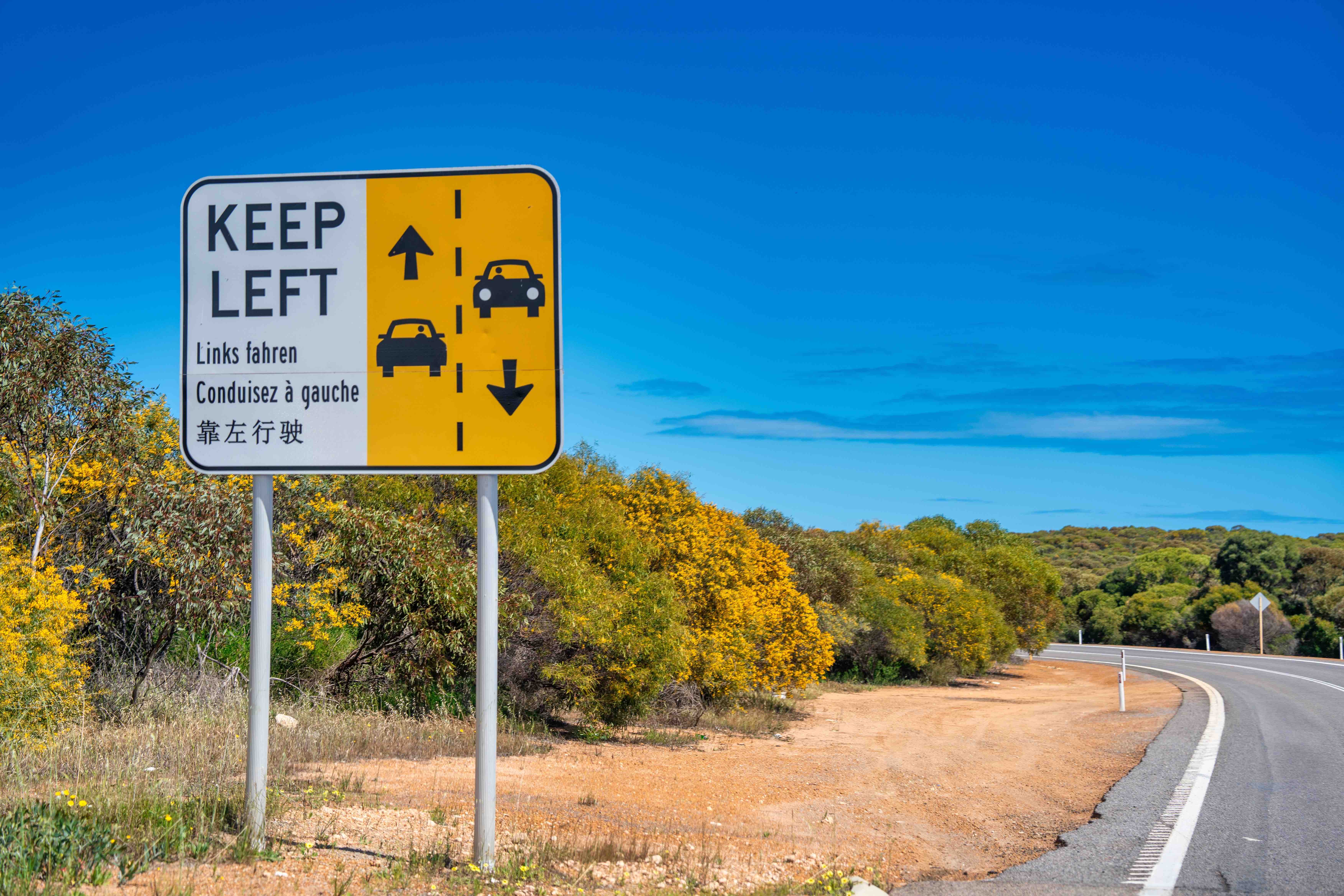
Drive on the left. Let impatient locals pass when there is a safe place to pull over. Do not stop in the road because you saw a cassowary. Give yourself more time than the map suggests, because you will want to stop and because tropical roads are not the place to rush.
If tight mountain roads or driving on the left will consume your whole day, book the tour. There is no prize for gripping the steering wheel while everyone else gets to look at the view.
Cassowaries Are Not Photo Props
Seeing a cassowary in the wild is unforgettable. They are huge, prehistoric and much more beautiful than photographs prepare you for.

Give them space. Never feed them, never approach chicks and never stop your car in the middle of the road for a photograph. Feeding cassowaries changes their behaviour and brings them toward roads and people, which is dangerous for everyone—especially the bird.
If one walks across the road in front of you, slow down and enjoy the moment from inside the car. That is already an extraordinary sighting. You do not need to turn it into a wildlife encounter.
Fuel Up Before You Need To
Once you leave Cairns and the larger towns, fuel, food and phone service become less constant. There are supplies north of the Daintree River, but that is not the same as having a service station every ten minutes.
We fill up before the Daintree. We keep water and snacks in the car. We download the map. We do not wait until the fuel light is glowing to begin discussing whether the next place is open.
This sounds boring until it saves an otherwise perfect day.
Not Every Wonderful Place Has Reception—or a Coffee Shop
The best little swimming hole may have no reception. The bakery might close early. The restaurant kitchen may stop taking orders long before a big-city traveller expects. A road on the map may become gravel, a farming road or a genuine four-wheel-drive track.
Download what you need, carry a little cash, check opening hours and ask a human when you are unsure.
Then relax. Some of our favourite days happened because there was no signal, the original plan fell apart and we ended up eating sandwiches beside a creek.
Order the Chicken Salt
At some point, get hot chips and say yes to chicken salt.

It is salty, savoury, aggressively yellow in some places and completely bound up with Australian takeaway food. Get it on chips at the beach, beside a pub lunch or after a long drive. It is not a grand culinary event. It is just one of those tiny things that makes a trip feel like it happened somewhere specific.
Also, if someone offers you a mango, mangosteen, rambutan, custard apple or any tropical fruit you have never seen before, try it. Far North Queensland rewards curiosity.
Take the Weird Side Road—With Common Sense
One of our favourite habits was taking the strange little side road just to see where it went. Sometimes it ended at a lookout, a farm gate, a creek, a fruit stall or a view across cane fields and mountains that felt impossibly cinematic.
Do that.
Just use the ordinary common sense you would use anywhere else. If it is signed private, do not enter. If it says four-wheel-drive only, believe it. If the road is flooded, turn around. If you lose reception, know how to get back.
The magic is not in pretending there are no rules. The magic is in leaving enough room in the day to wander.
The Short Version
Believe the signs. Swim where people are meant to swim. Wear the ridiculous stinger suit. Carry water. Check the weather. Fill the car before the Daintree. Give cassowaries room. Let locals pass. Put chicken salt on the chips. Take the side road when it is safe.
Far North Queensland is not trying to make everything easy for you. That is why it still feels alive.
Treat it with respect and it will give you the kind of trip you talk about for years.
Leave a Reply